


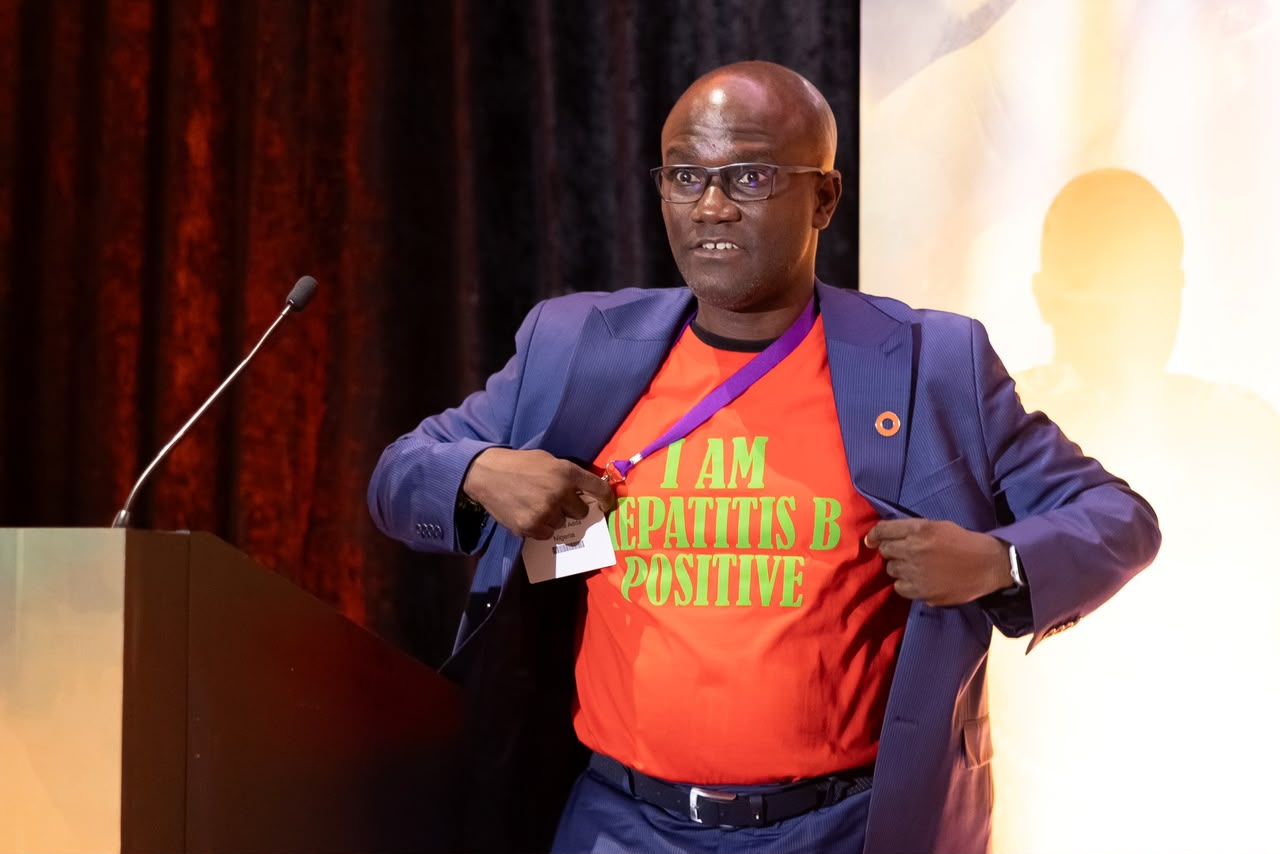
World Hepatitis Day was officially recognised by the World Health Assembly on 21 May 2010—six years after my own hepatitis B diagnosis, and more than 16 years ago. Yet today, we must ask ourselves: what has truly changed?
Not enough.
Viral hepatitis still claims approximately 1.3 million lives every year, making it one of the world’s deadliest infectious diseases. Africa continues to bear the greatest burden of hepatitis B, accounting for nearly two-thirds of the global HBV burden. Millions remain undiagnosed, treatment remains unaffordable for many, stigma and discrimination continue to silence communities, and political commitments too often fail to translate into action. Declarations do not diagnose people. Strategies do not treat patients. Commitments alone do not save lives.
So, is there still hope for a world free from viral hepatitis?
Yes—but only if we fundamentally change our approach. Hope cannot rest on annual campaigns or global targets alone. It must be built on political courage, sustainable domestic financing, affordable diagnostics and medicines, stronger primary healthcare systems, and policies shaped by the lived experiences of those most affected. Universal Health Coverage must mean that the cost of hepatitis care never determines who lives and who dies.
Elimination is scientifically possible. Whether it becomes a reality depends not on what we know, but on what we choose to do. The future will not be defined by our promises—it will be defined by our actions.
Danjuma K. Adda